
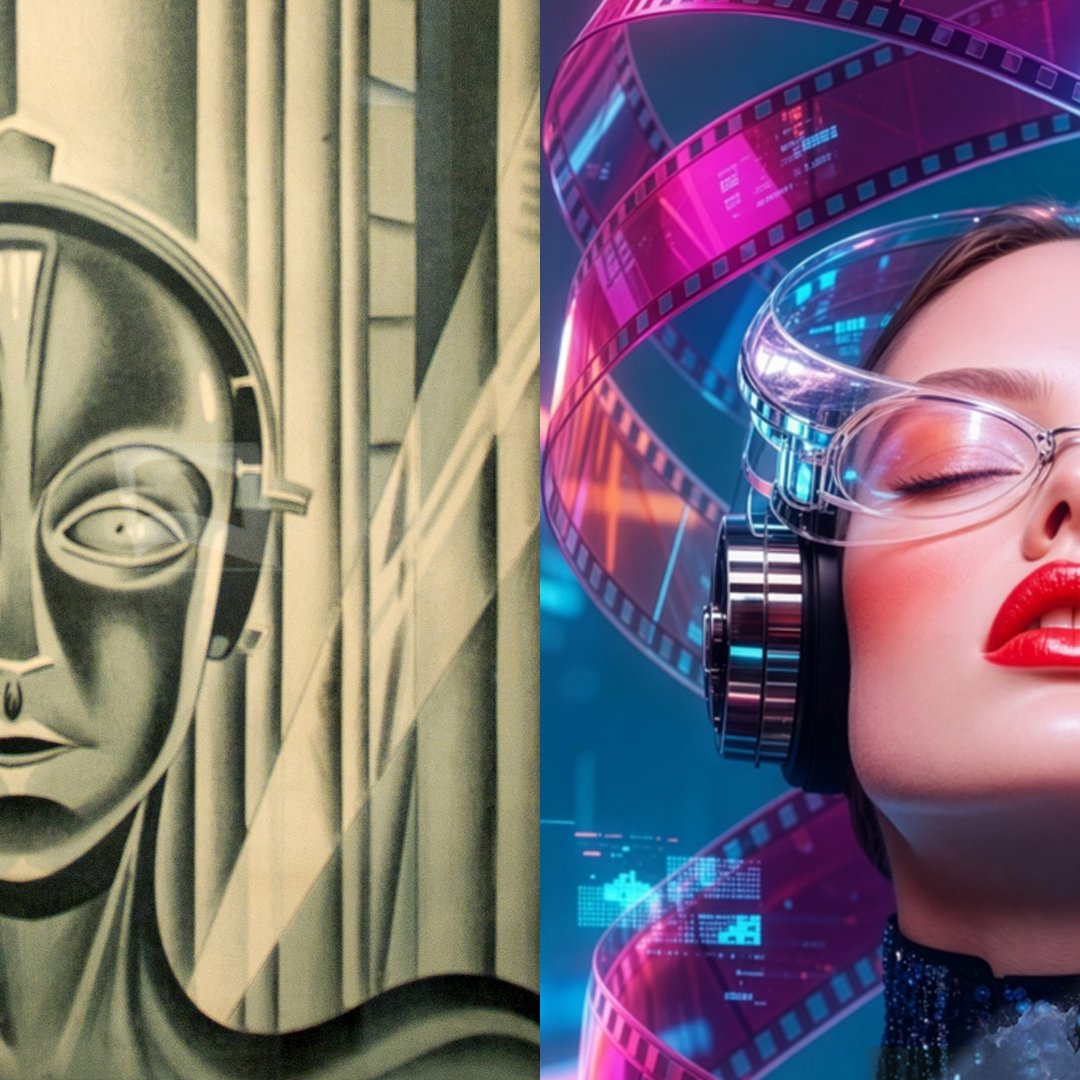
The 2026 Poster Revealed
Inspired by the famous “robot girl” in Fritz Lang’s Metropolis is the Maschinenmensch—German for “Machine-Human”—often referred to as Robot Maria, and in later references sometimes Futura. The actress Brigitte Helm played both the real Maria and her robotic double.
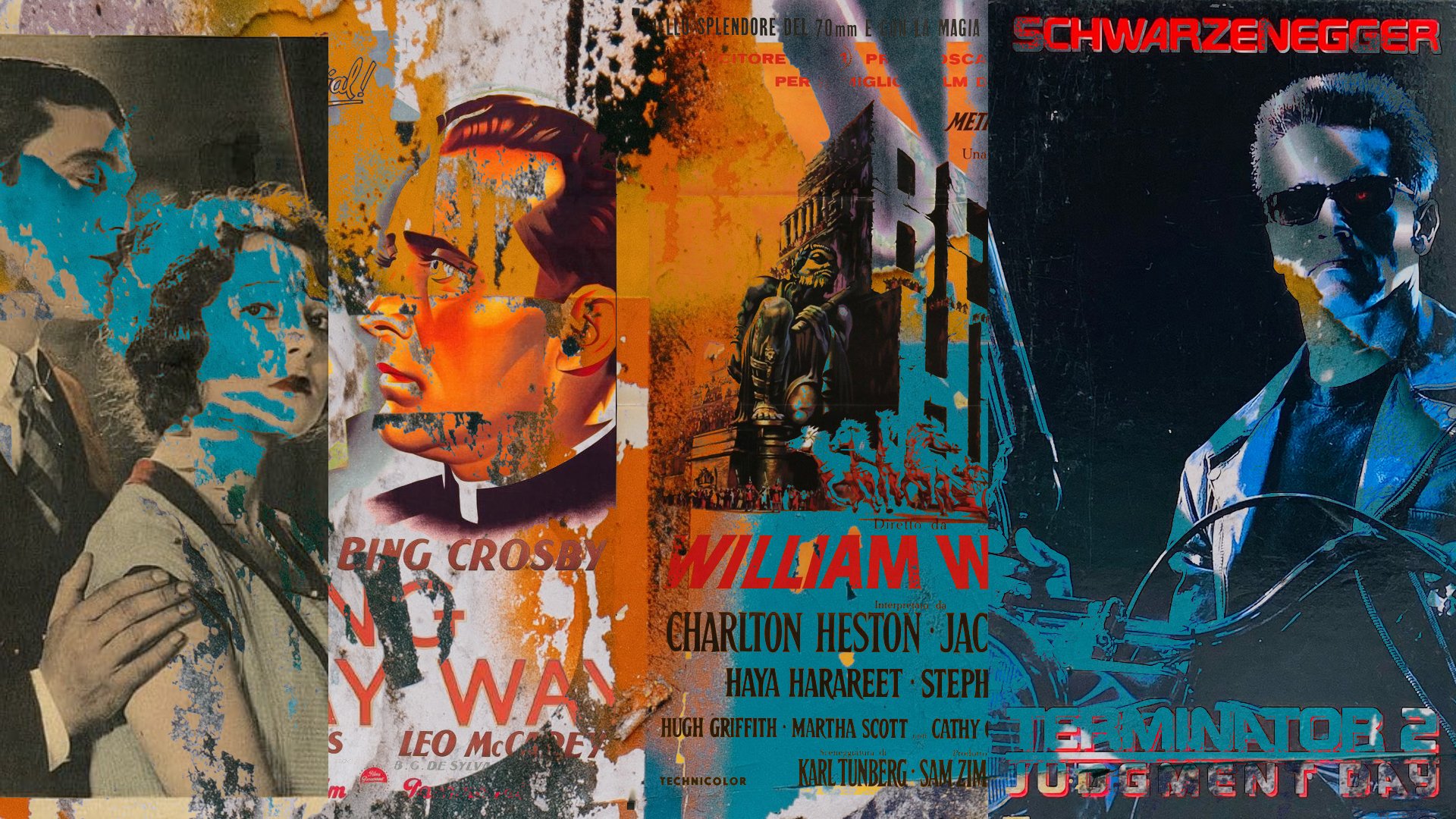
The Screen That Survived Everything
The Alex Theatre was born before movies could reliably talk. And 101 years later, on October 7 and 8, 2026, filmmakers from around the world will walk into that same theater carrying movies made with artificial intelligence.
That isn’t irony. That’s cinema.
STOP POSTING. START SUBMITTING
An entirely new generation of filmmakers can build sustainable careers using tools that simply didn't exist a few years ago.
That's why CLOWD exists—not simply as a festival, but as a community committed to celebrating human creativity enhanced by artificial intelligence.
We are the Misfits
I recently had a conversation with Miles Williams, who is the Artistic Director of the Alex Theatre, where the CLOWD AI Film Festival will premiere in October.
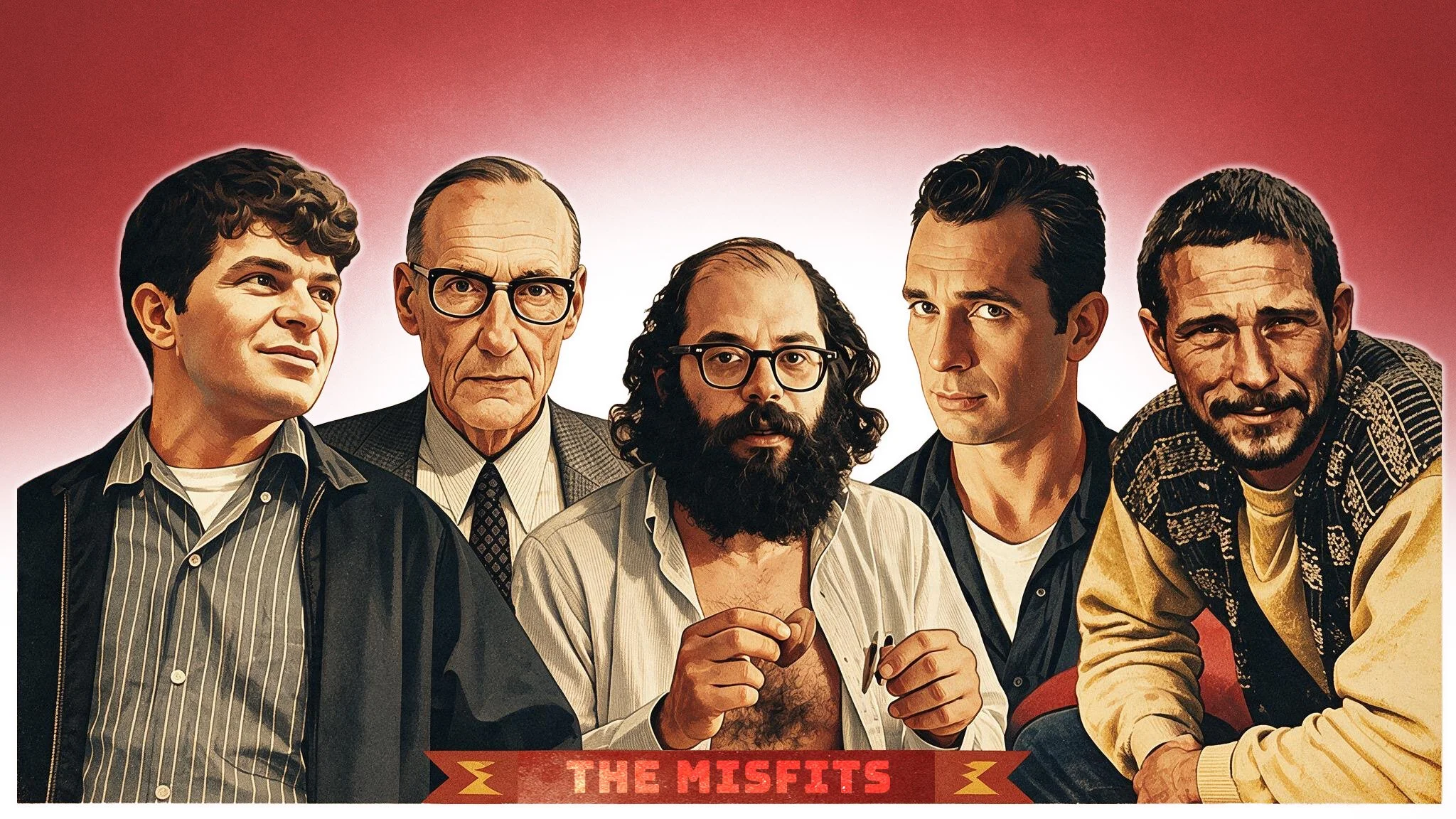
THE BEAT POETS SOCIETY
Before there were prompts, there were poems. Before AI filmmakers were accused of destroying cinema, a bunch of writers in the 1950s were accused of destroying literature. They were weird. Sexual. Unpolished. Experimental. Improvisational. Political. Spiritual. High. Gay. Buddhist. Jazz-obsessed. Anti-establishment. And, according to much of respectable America, they weren't writing real poetry. Sound familiar? Welcome to The Beat Poets Society.
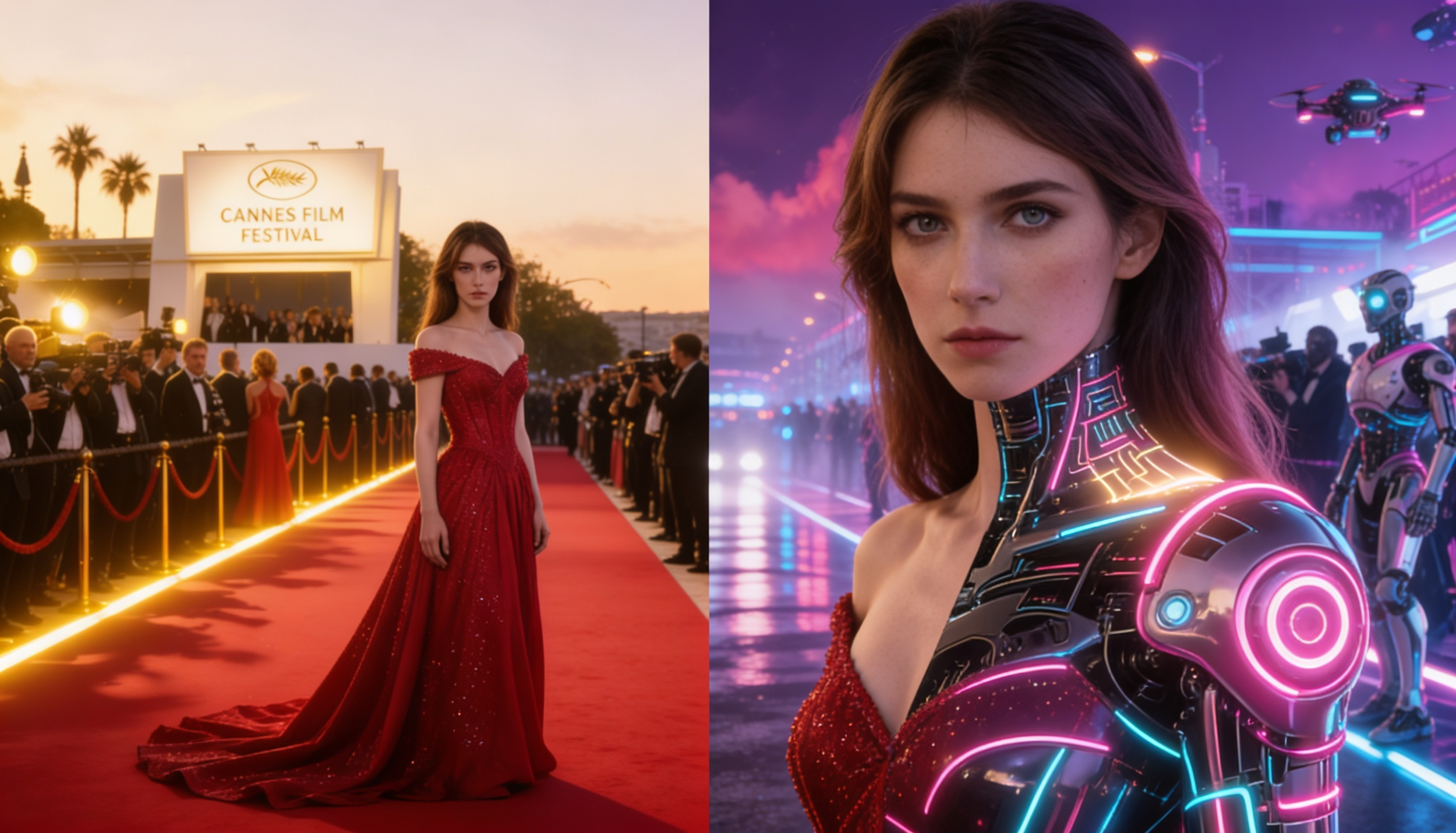
Cannes-Fusion
There’s something strange happening on the Croisette this year. Something bigger than cinema. Bigger than advertising. Bigger than influencers sipping rosé while pretending they’re in a French New Wave remake sponsored by Prada.
Cannes is no longer just Cannes.
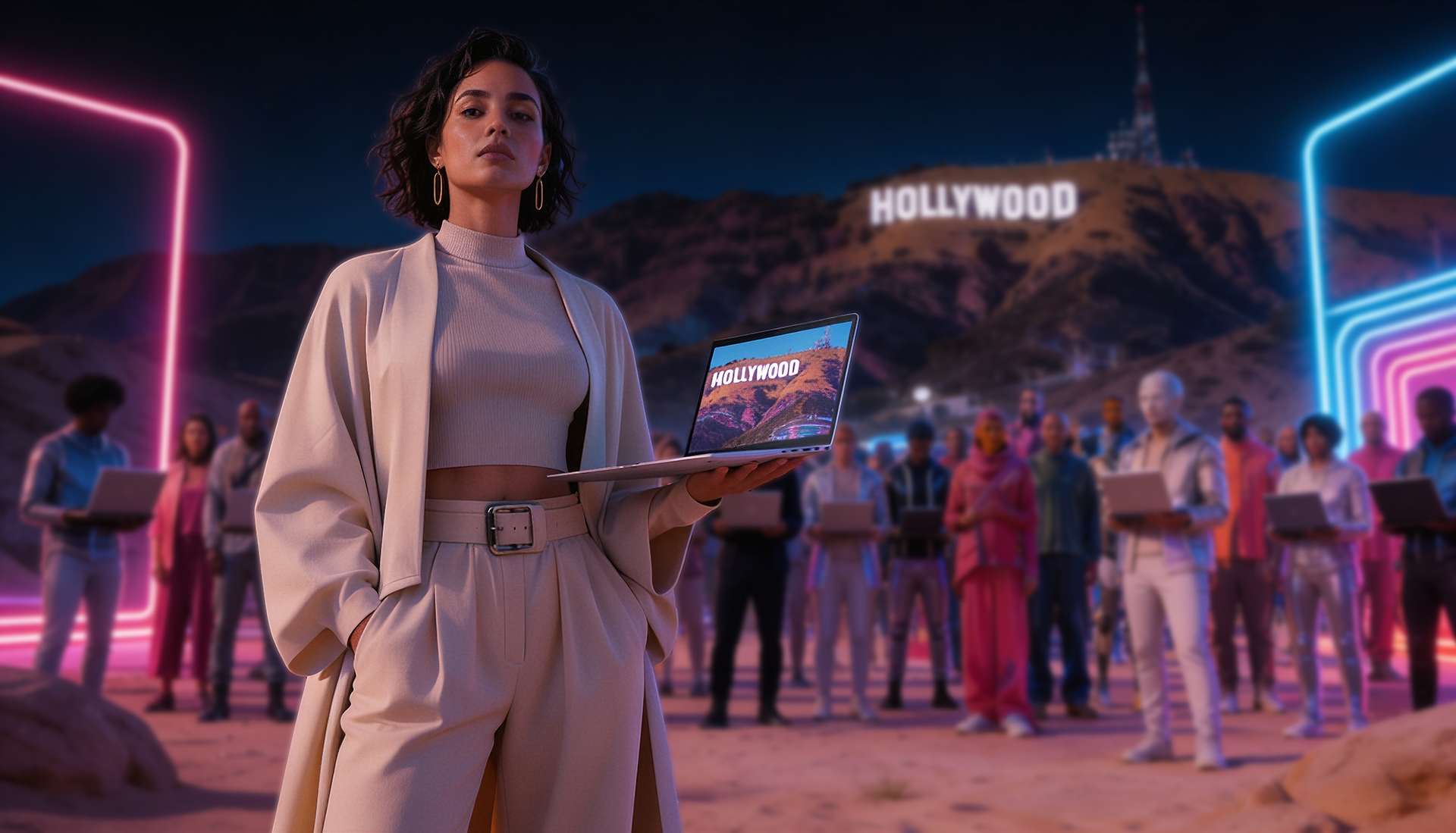
The New Influencers Hollywood Didn’t See Coming
Across YouTube and the emerging AI festival circuit, a new class of creator is emerging—part filmmaker, part prompt engineer, part hacker. They’re not waiting for greenlights. They’re dropping fully realized films, entering dozens of AI-specific award shows, and building audiences at algorithmic speed. What used to take a studio now takes a laptop, a stack of tools, and taste.
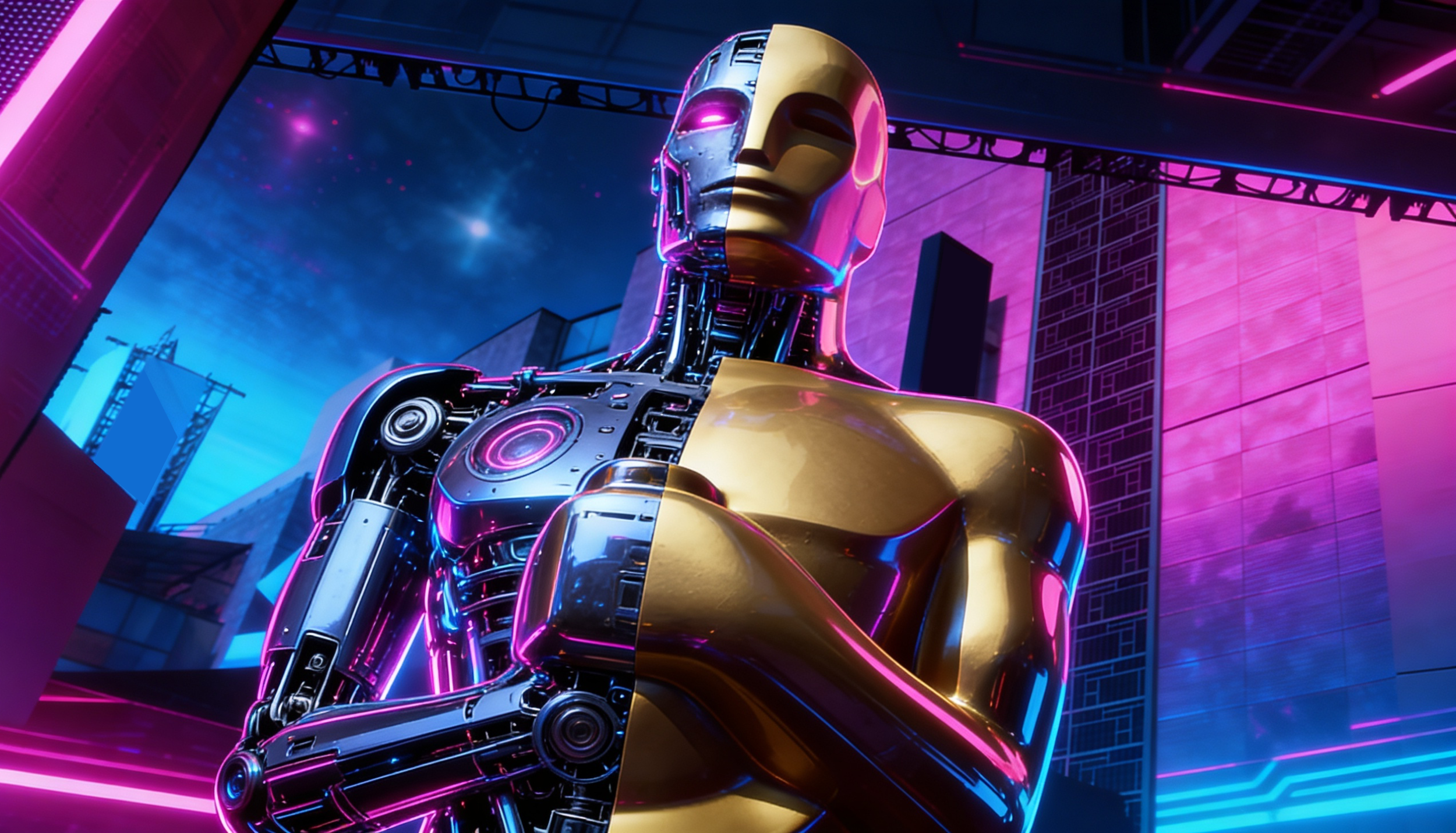
Humans Only
The Academy of Motion Picture Arts and Sciences has officially drawn a line in the sand, announcing that AI-generated actors and AI-written screenplays will not be eligible for Oscar consideration. The new rules require performances to be “demonstrably performed by humans with their consent,” while screenplays must be “human-authored.”
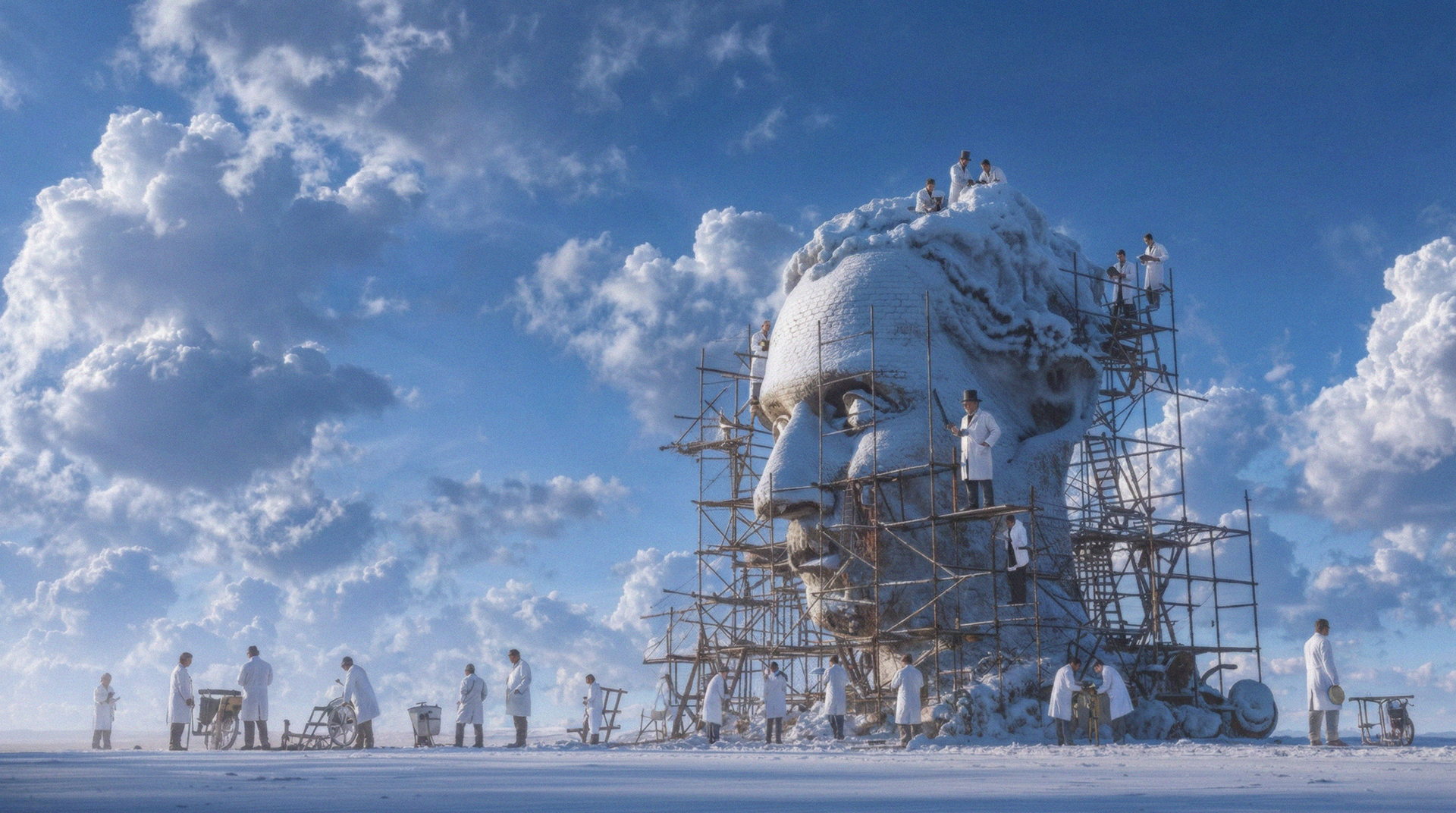
The Change
Hold my zero beer as I tell a little story that happened over a hundred years ago. United Artists was an American film studio founded in 1919 by Charlie Chaplin, Mary Pickford, Douglas Fairbanks, and D. W. Griffith. It was created so artists could control their own films and distribution, rather than relying on the big studios of the day.
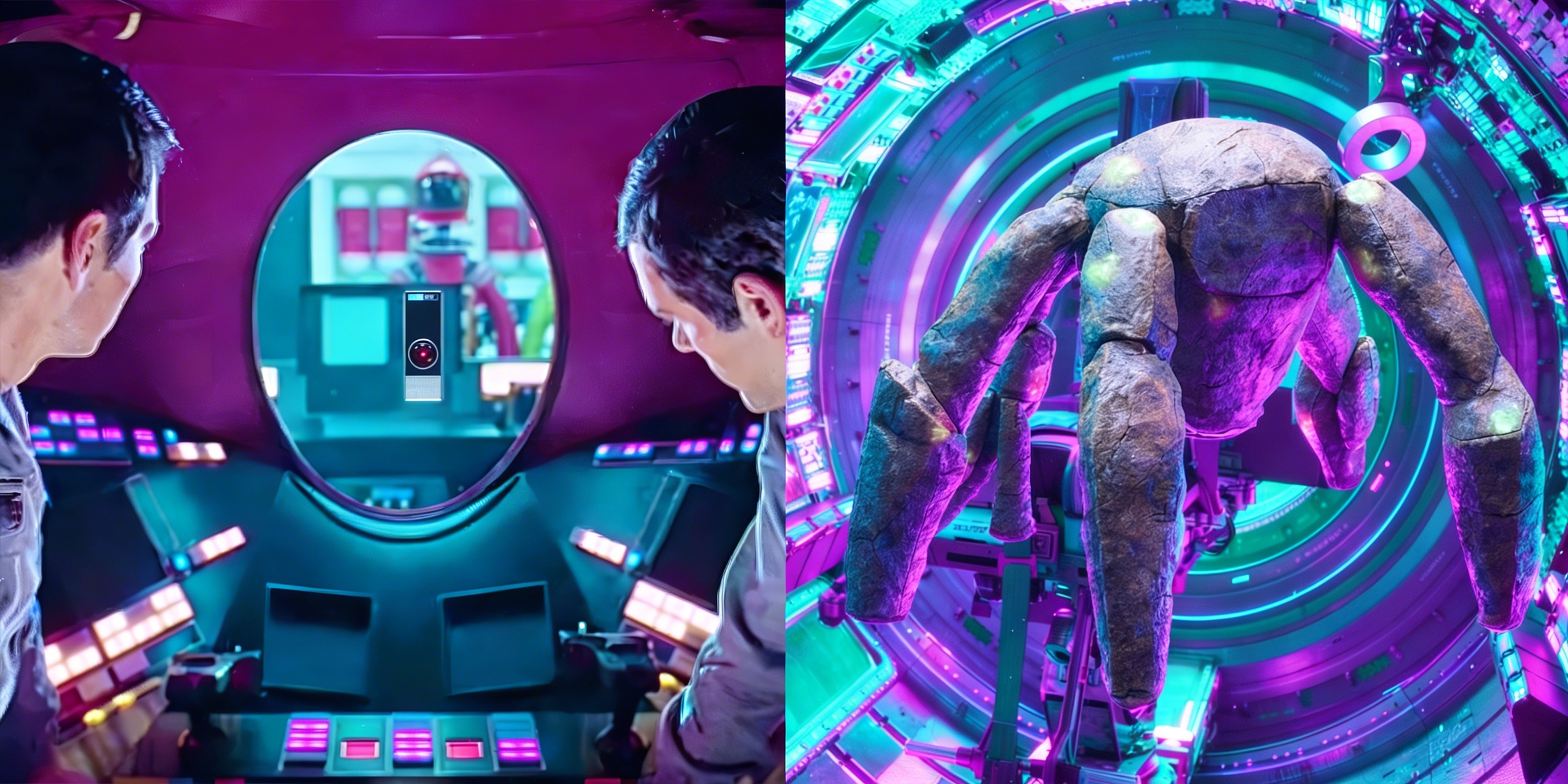
From HAL to Hail Mary: The First AI Movie That Doesn’t Hate Humanity
Because Hollywood has been “exploring our relationship with AI” for a long time now. And let’s be honest—it’s been a pretty dark relationship.
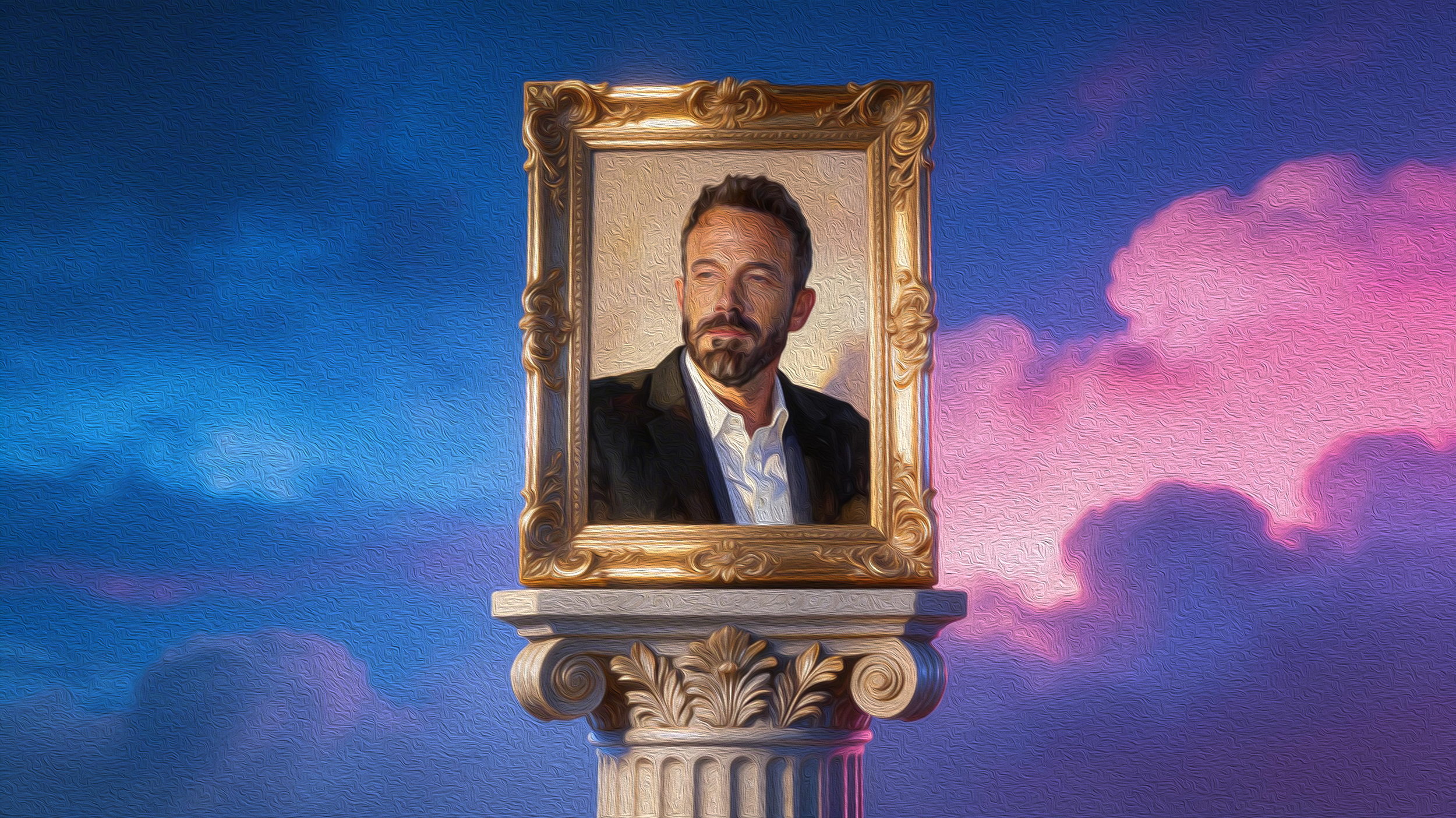
IN PRAISE OF BEN
For the last two years, the conversation around AI in Hollywood has mostly been framed by fear. The narrative has been predictable: AI will replace writers, actors, editors, directors—pick your guild, insert your panic. The headlines scream about digital actors and algorithmic screenplays while the picket lines chant about the machines.
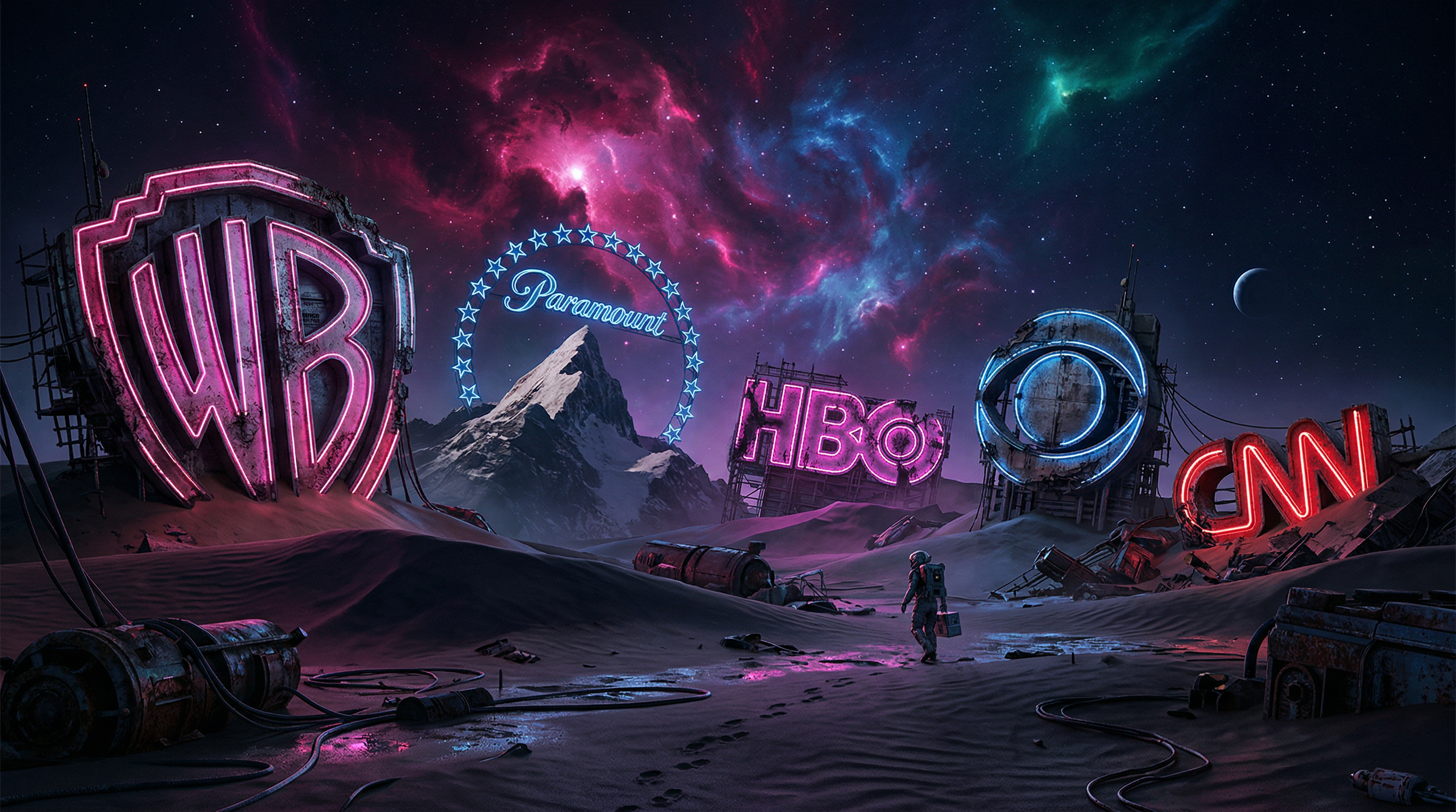
THE HOLLYWOOD THAT WAS
Earlier this week I posted a popular post on LinkedIn claiming it was over for Hollywood after the Paramount deal closed. Well, it is with some sentiment that I get teary-eyed when thinking about how much has changed. I grew up in Glendale, very close to Hollywood and my father was a Doctor to the (a few) Stars.
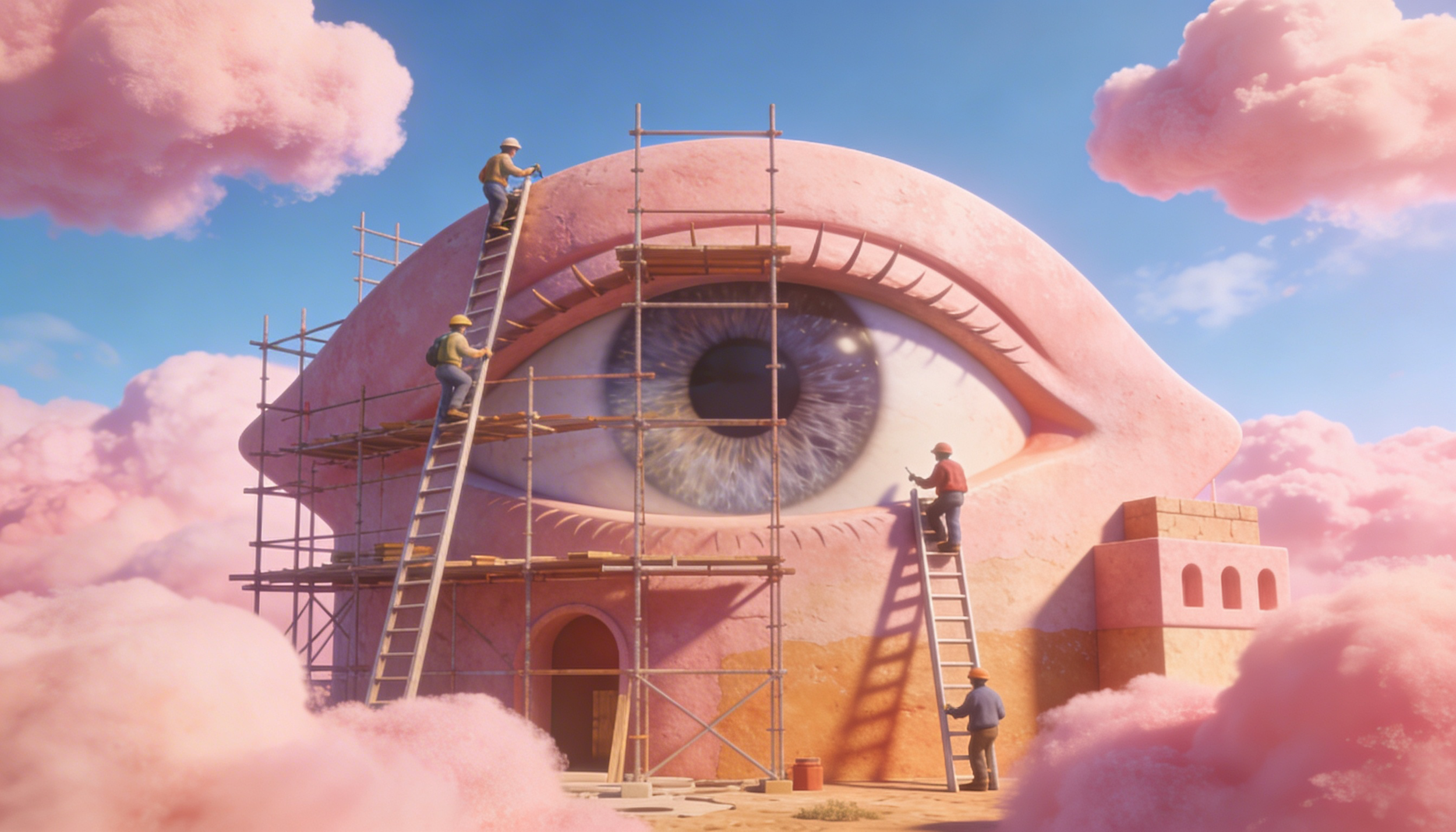
In the Blink of an EYE
Not in the breathless, LinkedIn-hustle-culture way. Not in the “AI will save everything” pitch deck way. I mean tectonic. Structural. The kind of shift you only recognize in hindsight — like February 2020, when the world felt normal… until it didn’t.
That framing isn’t mine originally. It comes from a piece I recently read — and it hit me square in the chest.
Matt Shumer describes the moment when AI stopped being a helpful assistant and became something closer to a peer. Not a toy. Not autocomplete on steroids. A system that builds, tests, iterates, and delivers finished work without hand-holding. A system that feels like it has judgment.
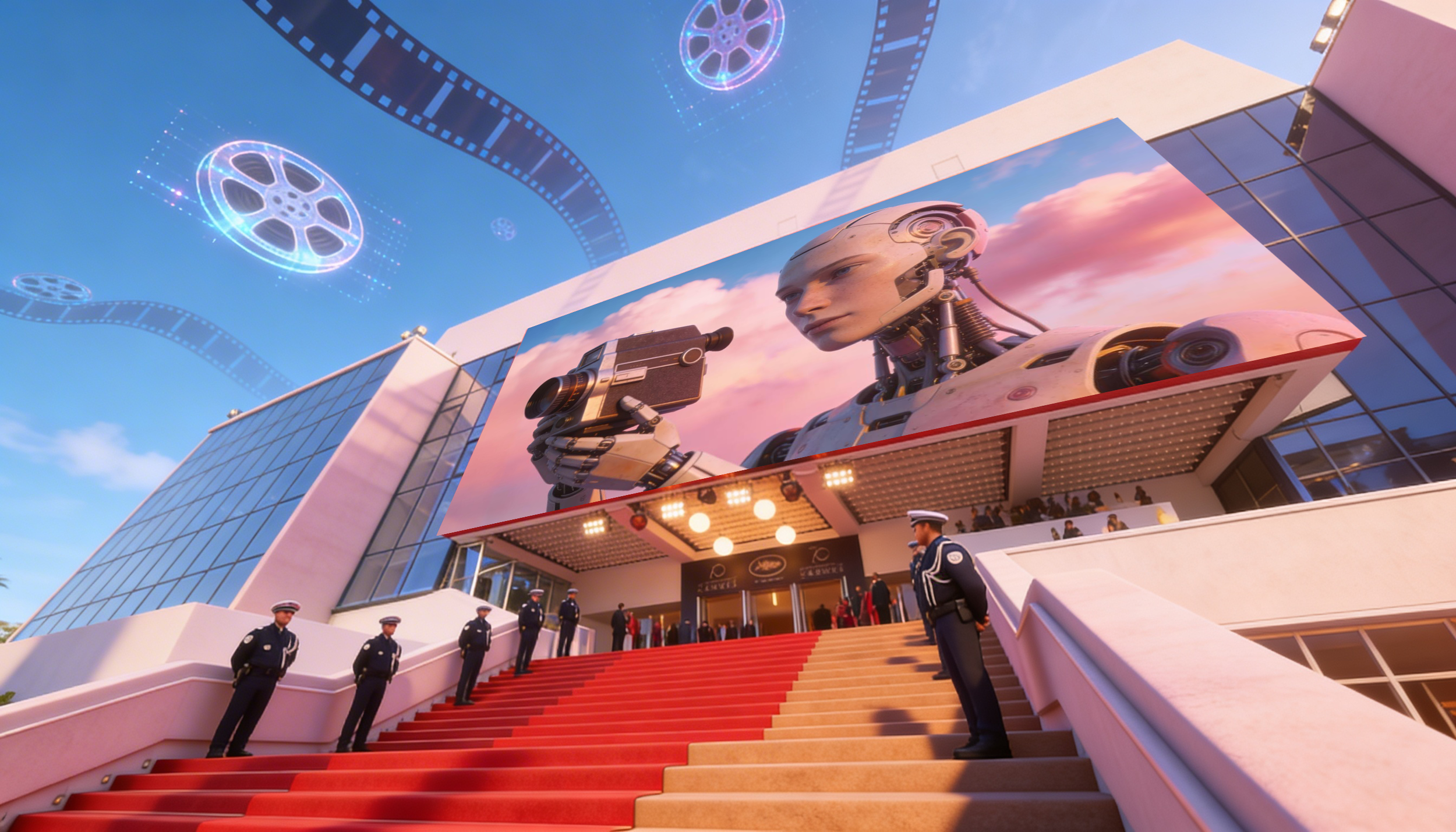
AI has arrived
The World AI Film Festival (WAIFF) is rapidly becoming the Cannes of AI filmmaking—an unmatched global platform dedicated entirely to the future of cinematic creation. Filmmakers are invited to submit AI films, shorts, music videos, and experimental works via the WAIFF submission link or on FilmFreeway. Submissions close February 27.
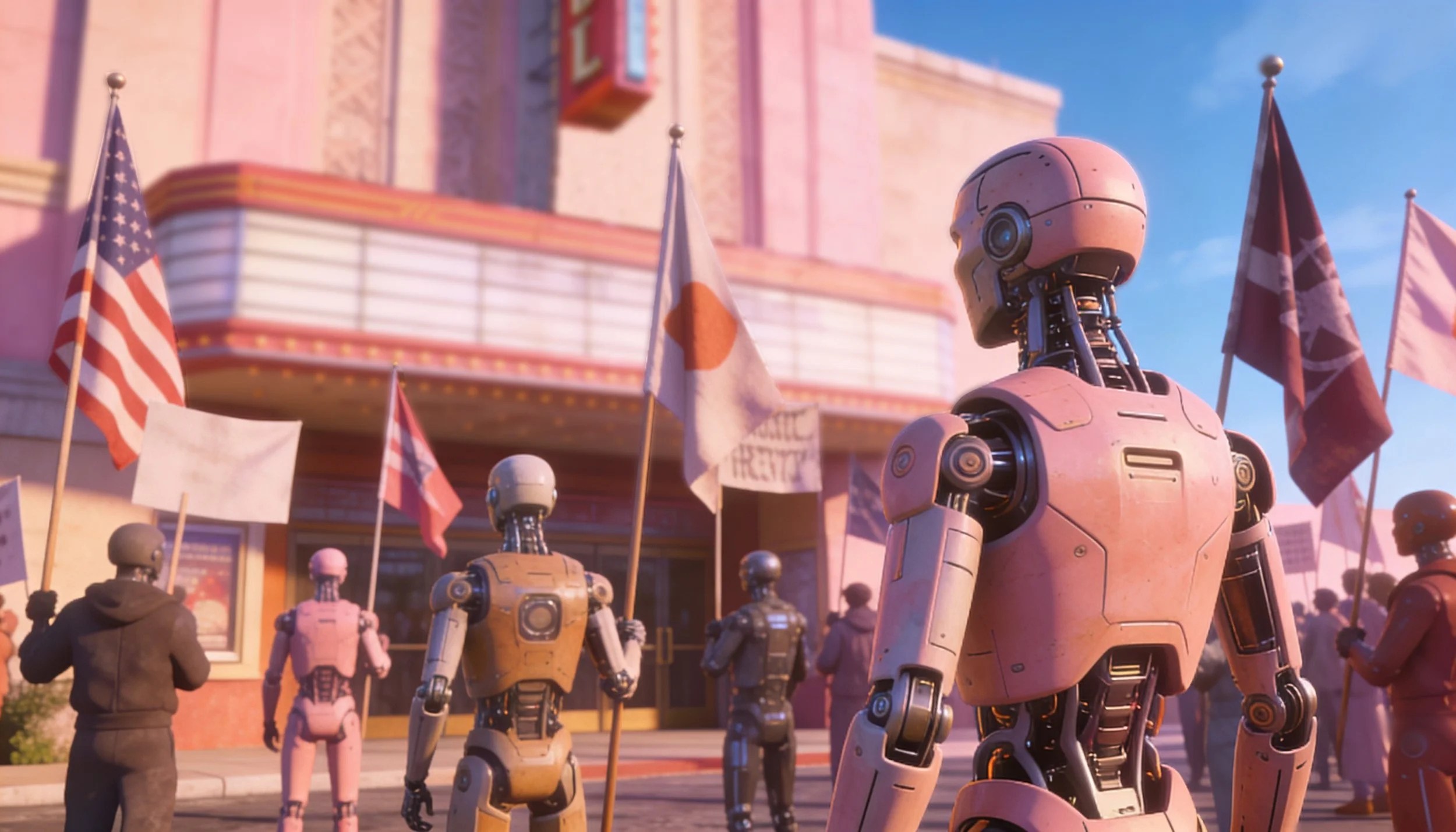
The AI Film Backlash Misses the Real Revolution
For those of us who’ve spent decades inside film and television, this moment hits differently. I’ve lived through the transition from celluloid to digital, from practical effects to VFX, from optical compositing to motion capture, from tape decks to timelines. Every one of those shifts arrived with panic attached. Every one of them was framed as an existential threat. And every one of them ultimately became… a tool.
AI Films: The Next Generation
As the art and business of filmmaking continue to evolve at a breathtaking pace, one force stands out as both disruptive and generative: artificial intelligence. From Hollywood studios to independent film schools, creatives across the industry are asking a fundamental question: What will the future of filmmaking look like when AI becomes commonplace?
At the University of Wisconsin–Stout, educators are already answering that question with action. A new course in artificial intelligence and filmmaking is emerging as a trailblazer in preparing students for a future where technology and creativity intersect. As the university explains, the course “probes both theoretical and practical aspects of generative AI and digital media technologies in film production and visual storytelling.”
The Rise of Creative-Centered AI
The entertainment industry is no stranger to disruption. But few forces have struck Hollywood with the same level of anxiety—and promise—as artificial intelligence. For Renard T. Jenkins, President and CEO of I2A2 Technologies, Studios, and Labs, the rise of AI isn't a doomsday scenario—it's a creative renaissance waiting to happen.
AI vs. Auteur: Will Hollywood Choose Cheaper Over Better?
Scott Ross doesn’t pull punches. The Oscar-winning VFX pioneer and co-founder of Digital Domain (alongside James Cameron and Stan Winston) has lived through multiple waves of cinematic innovation—and disruption. But even for a man who ushered in the digital revolution on films like Titanic, What Dreams May Come, and The Curious Case of Benjamin Button, artificial intelligence hits different.
The Studio Is Dead. Long Live the Creator.
There’s a quiet revolution underway in Hollywood—and it’s not coming from inside the studio gates. It’s coming from creators with laptops, open-source AI tools, and zero interest in playing the old game. As Joshua Otten told me in our recent RealmIQ: Sessions interview, “Let’s stop trying to get our movie made by the studios and start making our own movies using these tools”.
AI Won’t Replace You, But Someone Using It Will
Welcome to the era where your co-worker isn't just using AI—they are AI. But don’t panic (yet). As Andy Beach, former CTO of Media & Entertainment at Microsoft, puts it, “AI won’t replace you, but a person using AI will”.